
Our Services
Charis MC offers a range of transitional supported accommodation services designed to prepare young people for independent living. From 24/7 supported accommodation to step-down semi-independent living, our support cover the full journey
What We Offer
At Charis MC, we’ve developed a comprehensive service model that recognises the diverse needs of young people in care and care leavers. Rather than offering one-size-fits-all solutions, we provide a spectrum of support options that can be tailored to individual needs and adjusted as those needs change over time. This flexible approach ensures young people receive exactly the right level of support at each stage of their journey, promoting independence whilst preventing crisis through timely intervention.
Our services are designed to complement each other, creating clear pathways from high support through to independence. Young people might begin in our 24/7 supported accommodation services, progress to step-down services, and eventually move to their own tenancies with floating support. Throughout this journey, they’re supported by consistent teams who understand their history, celebrate their progress, and provide stability through change.

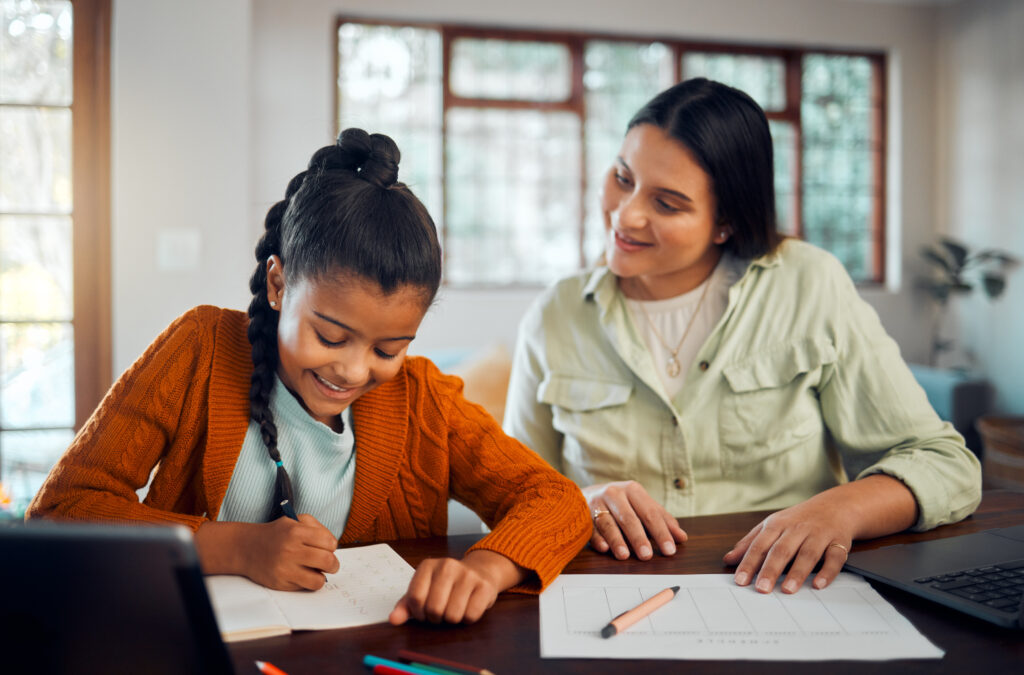


24/7 Supported Accommodation Services
Our 24/7 Supported Accommodation services provide looked-after young people (typically 16–18 years old) with a safe, supervised home environment. We create a structured yet homely setting where care staff are available around the clock to support daily needs, ensuring each young person feels secure as they build independence.
Independent Living Skills Development:
• Healthy Living: Meal planning and cooking, regular exercise, and maintaining good
personal hygiene.
• Household Management: Grocery shopping on a budget, cleaning and organising the home, and scheduling household maintenance.
• Financial Responsibility: Managing finances, budgeting, and paying bills on time.
• Time Management & Professionalism: Effective time management, acting professionally at work or in education, setting and pursuing goals.
• Social & Interpersonal Skills: Communicating effectively, developing relationships, building support networks.
• Future Planning: Job searching, writing CVs and applications, and finding suitable employment or training.
Outcome: Through our step-down support, young people strengthen their ability to live independently – managing on their own with confidence ,while knowing help is there if needed
Life Skills Development Programs: Building Capabilities for Lifelong Success
Comprehensive Skills Training Delivered Through Innovative, Engaging Methods
Our life skills development programs recognise that many young people in care have missed opportunities to learn essential capabilities that others might take for granted. These comprehensive programs, delivered through combinations of group workshops, individual coaching, and practical experiences, ensure every young person develops the full range of skills needed for successful independent living.
Practical Living Skills: Mastering the Basics
Cooking and Nutrition Program: Our cooking programs go far beyond basic meal preparation, teaching young people to plan nutritious meals, shop economically, and develop confidence in the kitchen. Starting with simple recipes and building to complete meal planning and preparation, young people learn skills that promote both health and social connection.
Weekly cooking sessions in our training kitchens provide hands-on experience, with young people learning knife skills, food safety, various cooking methods, and presentation techniques. We incorporate cultural diversity, with young people sharing recipes from their backgrounds and learning to prepare dishes from different cuisines. Nutrition education helps young people understand the connection between diet and wellbeing, making informed choices about what they eat.
Household Management Skills: Maintaining a home involves numerous skills that we systematically teach through practical experience. Young people learn cleaning routines that keep homes hygienic and pleasant, laundry management including different fabric care, basic DIY skills for minor repairs, and household safety awareness.
We use real-world scenarios, with young people taking responsibility for maintaining communal areas, managing cleaning rotas, and addressing maintenance issues. This practical application builds confidence and competence, ensuring young people can maintain tenancies successfully when living independently.
Financial Capability: Building Economic Literacy
Comprehensive Financial Education: Financial capability underpins successful independence, yet many care leavers struggle with money management. Our financial education programs address this systematically, covering everything from basic budgeting to understanding credit and avoiding financial exploitation.
Young people learn to:
- Create realistic budgets based on income and essential expenses
- Understand different benefit entitlements and how to claim
- Compare prices and make economical shopping choices
- Understand bills and manage utility accounts
- Build savings habits and plan for financial goals
- Recognise and avoid financial scams and exploitation
- Understand credit, loans, and the consequences of debt
- Prepare for employment and understand payslips and tax
We use innovative teaching methods including simulation exercises where young people manage virtual budgets, respond to financial emergencies, and make spending decisions with realistic consequences. Partnership with local credit unions provides safe environments for young people to practice banking and begin building positive credit histories.
Personal Development: Building Confidence and Capability
Emotional Intelligence and Relationship Skills: Understanding emotions and building healthy relationships are crucial life skills often underdeveloped in young people who’ve experienced trauma or instability. Our personal development programs help young people understand their emotions, develop emotional regulation strategies, and build capabilities for positive relationships.
Through group work and individual coaching, young people explore:
- Understanding and expressing emotions appropriately
- Developing empathy and understanding others’ perspectives
- Building and maintaining friendships
- Understanding consent and healthy intimate relationships
- Managing conflict constructively
- Setting boundaries and asserting needs appropriately
- Understanding attachment and how past experiences influence relationships
Communication and Self-Advocacy: Effective communication underpins success in education, employment, and relationships. Our programs help young people develop verbal and written communication skills, understand non-verbal communication, and build confidence in self-expression and advocacy.
Young people practice:
- Speaking confidently in different settings
- Writing formal letters and emails
- Using appropriate communication for different contexts
- Understanding and using body language effectively
- Advocating for their needs and rights
- Participating effectively in meetings and reviews
- Presenting themselves positively in interviews
Digital Skills and Online Safety
In our increasingly digital world, technological capability is essential for accessing services, maintaining relationships, and securing employment. Our digital skills programs ensure young people can navigate online environments safely and effectively.
Digital Literacy Training Covers:
- Basic computer skills and common software applications
- Safe internet use and recognising online risks
- Social media use and managing digital footprints
- Online job searching and application processes
- Accessing online services and digital banking
- Understanding data protection and privacy
- Recognising and avoiding online scams and exploitation
- Digital creativity and content creation
We provide access to devices and internet connectivity, ensuring digital exclusion doesn’t limit young people’s opportunities. Partnership with local libraries and community centres ensures young people can continue accessing digital resources after leaving our services.
Health and Wellbeing: Developing Lifelong Healthy Habits
Physical Health Education: Understanding and managing physical health is crucial for wellbeing and independence. Our health education programs help young people understand their bodies, recognise health issues, and develop habits that promote long-term health.
Topics covered include:
- Understanding common health conditions and when to seek help
- Sexual health, contraception, and healthy relationships
- Substance use awareness and harm reduction
- Exercise and physical activity benefits
- Sleep hygiene and its impact on wellbeing
- Managing chronic health conditions
- Accessing and navigating health services
- Understanding health rights and making complaints
Mental Health and Emotional Wellbeing: Given the high prevalence of mental health challenges among care leavers, our programs place particular emphasis on mental health literacy and developing positive coping strategies. Young people learn to recognise signs of mental health difficulties, understand different conditions and treatments, develop personal wellbeing strategies, and access appropriate support.
We use creative approaches including art therapy, mindfulness sessions, peer support groups, and outdoor activities that promote wellbeing whilst building skills and confidence. Partnership with mental health services ensures young people can access specialist support when needed.
Young People Involvement in Services
Youth-Led Approach
We actively involve young people living in our supported accommodation services in shaping our services. From giving feedback on their care to participating in staff hiring decisions, their insights guide us. We have youth ‘champions’ among our staff who promote young people’s involvement, and we hold regular focus groups where young residents can help improve our services and policies.
Step-Down Semi-Independent Living
Our Step-Down services support young adults (18 and over) leaving care or transitioning from a higher-support setting. This program focuses on enabling each young person to further develop independent living skills with a reduced level of supervision, acting as a bridge to complete independence.