
Physical Wellbeing: Building Healthy Bodies for Healthy Futures
Taking Care of Your Physical Health.
Nutrition and Healthy Eating
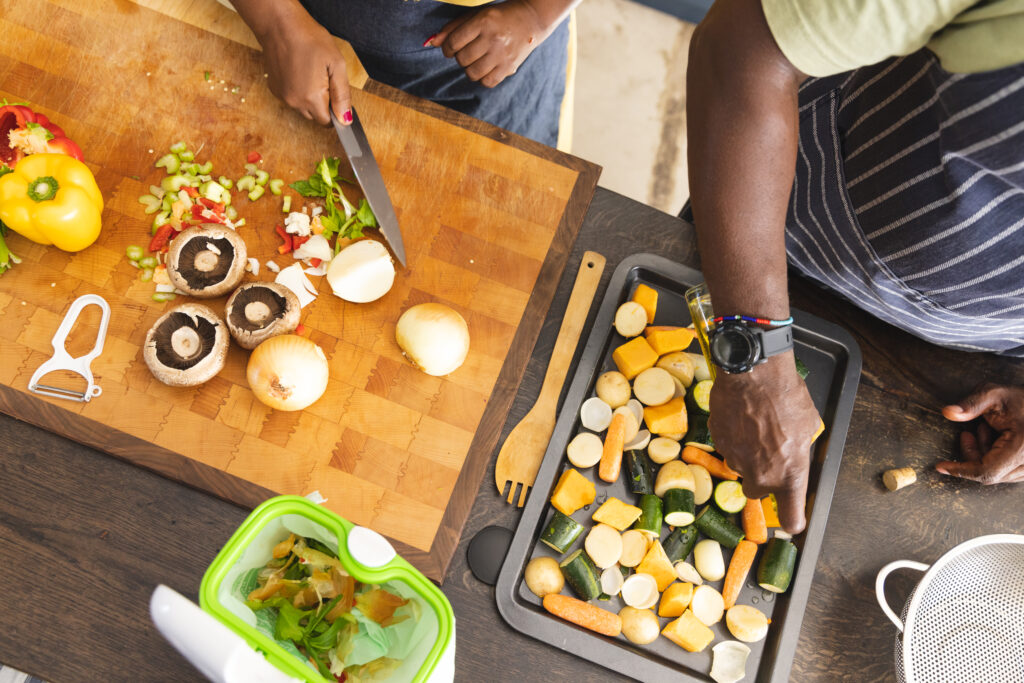
Good nutrition fuels everything else in your life – your energy, mood, concentration, and physical health. We know that many young people haven’t had opportunities to learn about nutrition or develop cooking skills, which is why we provide comprehensive support to help you develop healthy eating habits that you can maintain independently.
Our Nutrition Support Includes:
- Weekly cooking sessions teaching meal preparation from basics to advanced
- Nutrition workshops understanding food groups, portions, and balanced diets
- Budget meal planning showing how to eat well affordably
- Cultural food exploration respecting diverse dietary preferences
- Support with special diets for health conditions or personal choices
- Growing projects including vegetable gardens and herb planters
Practical Tips for Healthy Eating:
- Start small – even adding one piece of fruit daily makes a difference
- Batch cooking saves time and money while ensuring healthy options
- Frozen vegetables are nutritious, affordable, and reduce waste
- Drinking water throughout the day improves energy and concentration
- Eating regular meals stabilises mood and energy levels
- Treats are fine in moderation – it’s about balance, not restriction
Physical Activity and Exercise
Exercise isn’t just about physical fitness – it’s one of the most effective tools for managing mental health, building confidence, and creating social connections. We support you to find physical activities you enjoy, recognising that not everyone wants to join a gym or play team sports.
Exercise Opportunities Available:
- Free gym memberships at local facilities
- Group activities including football, basketball, and badminton
- Walking groups exploring local areas
- Dance and movement classes
- Swimming sessions at local pools
- Home workout equipment and online classes
- Yoga and mindfulness movement sessions
Starting Your Fitness Journey:
- Begin with 10-minute daily walks and build gradually
- Find activities you enjoy – exercise shouldn’t be punishment
- Use fitness apps for motivation and tracking progress
- Exercise with others for motivation and accountability
- Set realistic goals celebrating small achievements
- Remember that all movement counts, including housework and dancing
Sleep and Rest
Quality sleep is fundamental to wellbeing, yet many young people in care struggle with sleep due to anxiety, trauma, or never having developed good sleep routines. We provide practical support to help you establish healthy sleep patterns that support your overall wellbeing.
Sleep Support Strategies:
- Establishing consistent bedtime routines
- Creating calm, comfortable sleeping environments
- Understanding sleep hygiene principles
- Managing anxiety that interferes with sleep
- Addressing nightmares and night terrors
- Support with sleep disorders through health services
Health Services and Medical Care
Taking responsibility for your health care is an important part of independence. We ensure you’re registered with appropriate health services and support you to manage your health needs confidently.
Health Service Support:
- GP registration and accompanied appointments initially
- Dental check-ups every six months
- Optician appointments for eye health
- Sexual health services including contraception and STI testing
- Support accessing specialist services for existing conditions
- Help understanding and managing medications
- Advocacy if you’re not receiving appropriate care